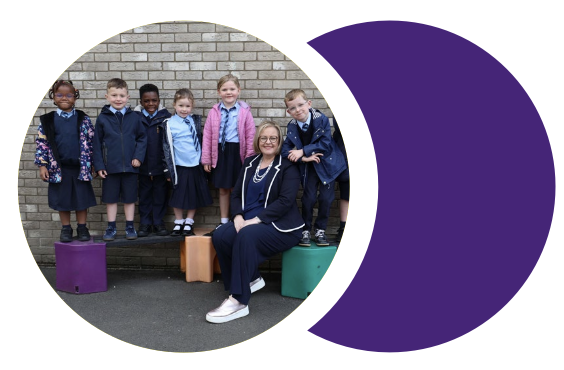
 Children’s rights should be embedded in policy making, following incorporation of UN Convention on the Rights of the Child (UNCRC). It is a difficult time to be young with the rising cost of living, a changing employment market, and the impact of online life. Council services – including, but not limited to, schools – are vital to supporting children and young people to thrive.
We are calling for:
A refreshed approach to early childhood development focused on joined up approaches across sectors and professions.
Supporting the whole family by increasing the accessibility of financial wellbeing advice, housing support and health services will improve outcomes. A fully funded, joint strategy on supporting speech and language development is required.
Nationalising the provision of high-quality secure care for children.
The current model relying on four independent providers is precarious, and availability of places is unreliable. Creating a national approach should also incorporate the Child and Adolescent Mental Health Services (CAMHS) inpatient and secure mental health provision.
Accelerating the pace and scale of delivery to keep The Promise.
We need agreement for how this will be achieved, resourced and sequenced. Local government cannot keep The Promise without a new Scottish Government and other public sector organisations playing their role.
A holistic approach to improving education. Local government has a sharp focus on delivering improved outcomes: simply measuring inputs does not achieve change. We seek commitment to a partnership approach to ongoing reform, led by education leaders in local Government and informed by a wide range of partners, inc. children & young people.
A modernised approach to learning and development in a digital age.
This should enable children and young people to build the skills and study the courses they are interested in and need for their future.
Protecting young people online and challenging negative online discourse.
Children and young people must be protected from harm and supported to be more resilient in a digital world, for example by exploring the pros and cons of smart-phone use in schools. Stigmatising language reinforces generational cycles of deprivation, abuse and trauma.